
Drinks
Treat your wine well!
March 2024
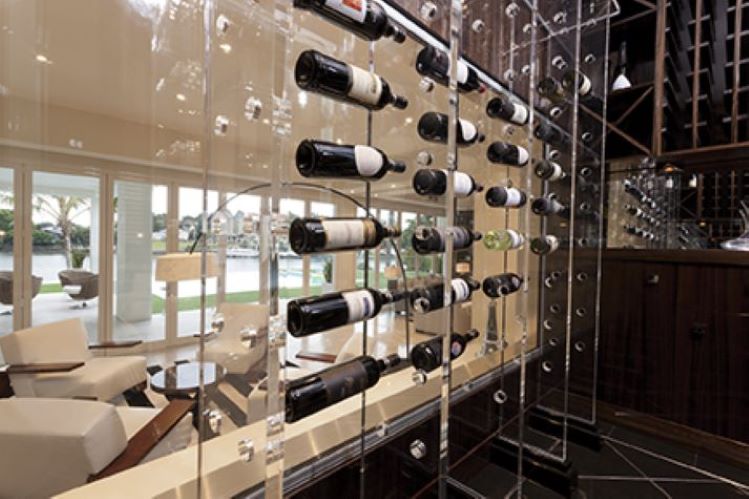
The vast majority of wine is sold as a ready-to-drink beverage. Aging isn’t necessarily something that benefits the bulk of wine purchases, but this doesn’t mean that good cellaring practices can’t play a role in the care of wine in the modern home.
There are three rules of thumb — extreme temperature, light and movement are not a friend to any wine.
Even leaving a bottle in a hot car for 20 minutes can damage the wine. Freezing cold Winterpeg temperatures can cause wine to freeze if left in a car too long. While this doesn’t “spoil” the wine, and it is still safe to drink, it greatly impacts the quality.
Exposure to ultraviolet light or simply leaving wine to sit out under bright lights or sun can cause similar damage.
So how can we ensure that we are storing our wine safely at home?
Traditionally, home cellars were located in the basement, where it was dark with constant cool temperatures — naturally perfect conditions for cellaring wine. However, with the current trend in light, open and airy home designs, in conjunction with the popularity of home entertainment, the concept of keeping wine stored in a traditional cellar has changed.
Wines placed within modern room dividers, on wall sculptures and in kitchens as modern art are beautiful. Created without professional assistance, this form of storage could affect the wines.
A new home design trend has seen wine storage migrate to the main floor. Wine storage designs figure prominently. They are placed within modern room dividers, on wall sculptures and in kitchens as modern art. If done with professional consultation, they are beautiful. Created without professional assistance, these choices may be attractive but they could cause damage to the wines.
Storing wine in direct light or in areas with inconsistent temperatures breaks every basic wine storage rule in the book.
If you must store your wines in these conditions, ensure they are wines that you intend to drink right away. If only left for a short amount of time under light and fluctuating temperatures, you should be OK. However, for those special bottles that you wish to hold on to, follow these tips:
• Find a cool indoor closet away from direct light and temperature variations or invest in a quality wine fridge, which will monitor these conditions for you. These fridges will also help control humidity, another important factor affecting the quality of aging wine.
• At the very least, keep your wines out of direct sunlight in your home.
• While proper cellar temperature is 10-14 degrees Celsius, as long as you keep your home at a constant temperature, you will not cause too much damage to everyday wines. Throw your wines in the fridge for five minutes (yes, even reds) to drop the temperature a bit and maximize enjoyment.
• Ensure bottles are always stored on their side so the cork remains in contact with the wine — especially if you are not storing them in a humidity-controlled environment.
• Avoid keeping bottles on top of appliances that vibrate, as this can actually damage an aging wine as well. Keep it somewhere where it will not be disturbed.